Classical Calligraphy: A Vintage Script Font with Modern Versatility
Understanding the Character and Appeal of This Script Font
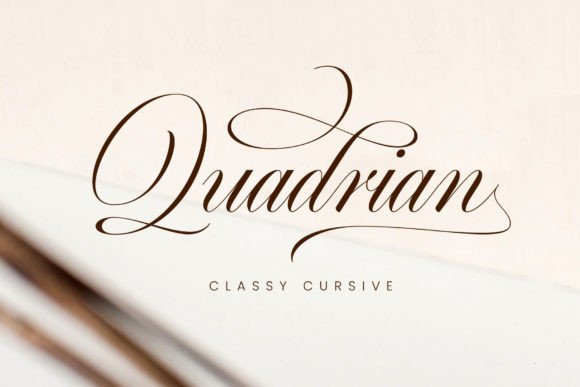
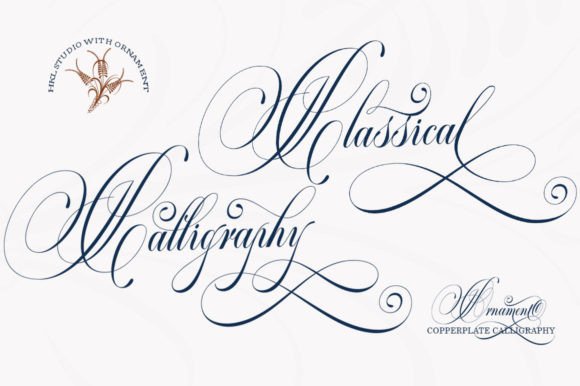
When you first encounter Classical Calligraphy, it feels like uncovering a letter from a bygone era. It’s not just another script font; it’s a carefully crafted blend of traditional Copperplate technique and a more fluid, modern handwriting style. What makes it stand out is its personality. It manages to be both vintage and timeless, avoiding the overly ornate or difficult-to-read pitfalls that sometimes plague decorative typefaces. The design is intentionally smooth, clean, and feminine, with a sensual flow that adds an instant touch of glamour to any project.
Think of it as a premium font that balances elegance with readability. The strokes are delicate but confident, creating a visual rhythm that guides the eye naturally. It’s the kind of typeface that whispers luxury rather than shouting it. For designers, this means you get a creative font with a built-in emotional resonance—it feels romantic, sophisticated, and personal all at once. It’s not trying to be everything; instead, it excels at conveying a specific, high-end aesthetic.
Practical Applications: Where Classical Calligraphy Truly Shines
The real test of any design asset is how it performs in the wild. Classical Calligraphy is particularly effective in contexts where you want to establish a strong, emotive brand identity or add a personal touch. Here’s where I’ve seen it deliver the most impact:
- Logo Design and Brand Identity: For brands in the beauty, wellness, boutique fashion, or artisan food spaces, this font can become the cornerstone of a memorable logo. It immediately communicates care, quality, and a personal touch. Pair it with a simple, geometric sans serif font for body text to create a beautiful contrast that ensures clarity.
- Wedding and Event Stationery: This is its natural habitat. From invitations and save-the-dates to menus and place cards, Classical Calligraphy sets a romantic, elegant tone effortlessly. Its alternative characters allow for customization, so each piece can feel uniquely crafted.
- Packaging and Label Design: Imagine this font on a bottle of artisanal gin, a jar of small-batch preserves, or a luxury candle. It elevates the product, suggesting craftsmanship and premium quality. For alcohol labels or cosmetic packaging, it’s a strategic choice that influences perception at the shelf.
- Editorial and Social Media Graphics: Use it for pull quotes, article titles, or Instagram story headers to add a touch of sophistication. It works beautifully as a display font in magazines or blogs focused on lifestyle, travel, or design.
It’s also worth noting its versatility for personal projects. If you’re creating a heartfelt gift, designing a family recipe book, or crafting thank-you cards, this font adds a layer of intimacy and artistry that standard fonts lack.
Strategic Considerations for Using a Premium Script Font
Choosing a font like Classical Calligraphy is a design decision with strategic implications. It’s not just about how it looks, but how it functions within your broader visual system. Here are some practical thoughts on integrating it effectively:
- Context is Key: Always consider your audience and medium. While perfect for a wedding invitation, it might not be the best choice for long-form body copy on a website. Its strength lies in headlines, logos, and accents where its detailed letterforms can be appreciated without sacrificing readability.
- Font Pairing is Essential: A script font of this nature demands balance. Pair it with a clean, neutral serif font or a modern sans serif font. For example, using Classical Calligraphy for a main headline with a font like Lato or Open Sans for subheads and paragraphs creates a professional, hierarchical layout. Avoid pairing it with other decorative or overly complex fonts.
- Test for Readability: Always view your design at the intended size and on the intended medium. Check the spacing between letters (kerning) and words. The font’s PUA encoding is a huge plus here, as it gives you access to all glyphs and swashes, allowing you to fine-tune ligatures and alternate characters for optimal flow.
- Understand the Licensing: Since it’s a commercial font, ensure your license covers your intended use—whether for a client project, merchandise, or digital products. This is a standard but crucial step in professional design work.
Ultimately, Classical Calligraphy is more than just a typeface; it’s a tool for storytelling. It helps you craft a narrative of elegance, tradition, and personal care. When used thoughtfully, it doesn’t just decorate a design—it defines its character and deeply influences how an audience perceives and engages with your message. It’s a valuable addition to any designer’s toolkit for projects that require a touch of timeless, feminine grace.