Almond Script: The Elegant Script Font for Modern Designers
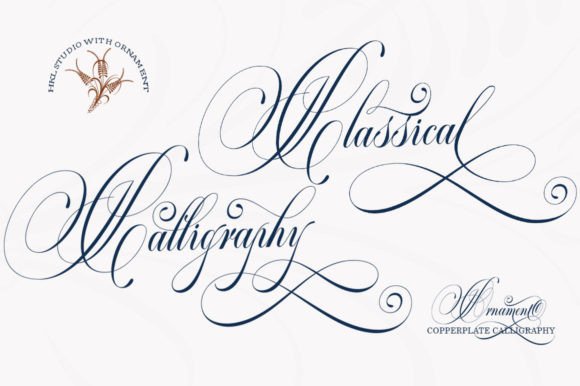
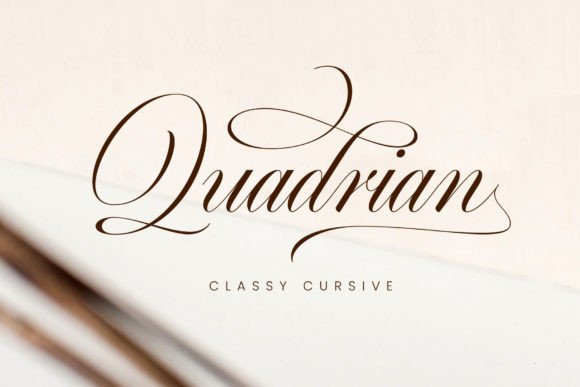
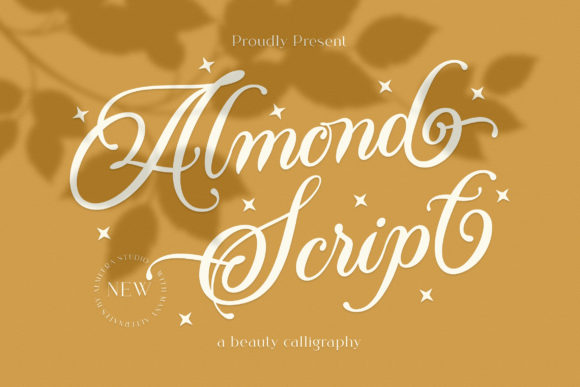
There's a particular quality in a typeface that can elevate a project from competent to captivating. It's not about being the loudest element on the page, but about possessing a quiet, confident elegance. This is the space Almond Script occupies. It’s a premium font characterized by its thin, graceful letterforms and a flowing, connected style that feels both personal and polished. The visual personality is one of refined sophistication—think of a carefully crafted invitation or the delicate title on a luxury product label. Its appeal lies in this balance: it's a creative font with a distinct, ravishing style that doesn't overwhelm, making it a versatile asset in a designer's toolkit.
Where Almond Script Truly Shines
Understanding a font's strengths is key to using it effectively. Almond Script isn't a workhorse body text font; it's a specialist, a display font designed to command attention in specific contexts. Its thin strokes and intricate swashes are crafted for impact at larger sizes, making it ideal for projects where a touch of elegance or personality is paramount.
Consider its application in brand identity. For a boutique, a wedding planner, a high-end bakery, or a personal stylist, Almond Script can form the cornerstone of a logo design. It instantly communicates a sense of care, artistry, and premium quality. This same principle extends to packaging design. Imagine it on a candle box, a artisanal chocolate wrapper, or the label of a small-batch skincare serum. It tells the customer that the product within is crafted with attention to detail.
In the digital realm, its uses are just as potent. A striking headline on a web design hero section can set the tone for an entire site. For social media graphics, it’s perfect for quote cards, promotional banners, or title treatments that need to stop the scroll. The font’s personality helps create a consistent and recognizable visual voice across platforms. For editorial design, it can add flair to magazine pull quotes, chapter headings in a book, or the masthead of a blog, enhancing the reader's experience without sacrificing clarity where it matters most.
Practical Guidance for Pairing and Application
Choosing a font like Almond Script is just the first step. Integrating it successfully requires thoughtful execution. One of the most critical considerations is font pairing. A script font, no matter how elegant, can become tiresome or illegible if used for long sentences. The solution is to pair it with a stable, highly readable companion. A clean sans serif font like Montserrat or Lato provides a modern, friendly contrast. A classic serif font like Georgia or a transitional serif can create a more traditional, authoritative feel. The key is to let Almond Script be the star for headlines and short, impactful text, while its partner handles the supporting body copy.
Before finalizing your choice, always test the font in context. This is where the PUA encoding of Almond Script becomes a significant practical advantage. It means you can access all alternate glyphs, swashes, and stylistic sets easily through your design software's character panel. This allows for customization—maybe you want a different flourish on a capital letter or a more connected ligature between two specific characters. This level of control is what separates a generic application from a truly tailored design, helping to strengthen brand recognition and visual hierarchy.
Finally, consider the commercial licensing. Since Almond Script is a premium, creative font, it's essential to ensure your license covers your intended use, whether for a client's logo, merchandise, or digital products. Using design assets correctly not only protects you legally but also supports the type designers who create these tools. When you invest in a quality commercial font, you're investing in the professionalism and coherence of your entire project.
Building a Cohesive Visual Language
The true power of a typeface like Almond Script is realized when it's part of a larger system. It shouldn't exist in isolation. Think about how it interacts with your color palette, imagery, and overall layout. Its thin letterforms pair beautifully with minimalist designs, allowing the font's elegance to breathe. It can also complement rich textures and detailed photography, adding a layer of typographic finesse.
For entrepreneurs and small business owners, this font can be a cornerstone of a consistent brand identity. Use it on your business cards, your website headers, your email newsletters, and your product tags. This consistency builds professionalism and makes your brand more memorable. For content creators and bloggers, it can define the visual tone of your platform, making your work feel more curated and intentional.
In the end, Almond Script is more than just a collection of letters. It's a design tool for storytelling. Its graceful style offers a way to infuse projects with warmth, elegance, and a human touch. By understanding its personality, applying it in the right contexts, and pairing it thoughtfully, you can leverage this script font to create designs that are not only beautiful but also effective in engaging your audience and communicating your unique message.