Rought Cowboy: The Vintage Typeface That Tells a Story
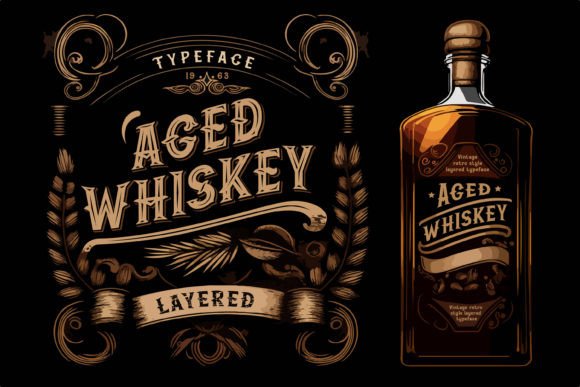
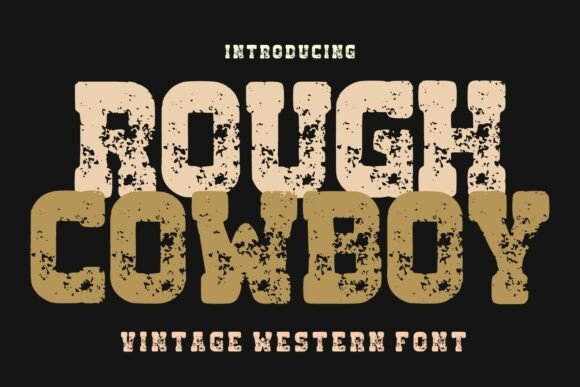
There’s a particular kind of magic in typography that feels weathered by time. It doesn’t just sit on a page; it carries a narrative, a sense of place and history. This is the core appeal of Rought Cowboy, a display font that doesn’t whisper—it speaks with the gravelly voice of the frontier. It’s a typeface steeped in the visual language of the Old West, designed not for quiet paragraphs but for bold statements. Its heavily distressed and textured letterforms mimic the imperfect ink impressions and sun-bleached wood of classic cowboy signage and vintage posters, offering an authentic, worn-out aesthetic that digital perfection often lacks.
More Than Just a Font: Capturing the Spirit of the West
What sets Rought Cowboy apart from other premium fonts is its commitment to a specific, powerful character. This isn’t a generic “grungy” typeface; it’s a carefully crafted creative font that embodies rugged individualism and timeless resilience. Each glyph features intentional imperfections—chipped edges, uneven ink coverage, and subtle texture variations—that give it a handcrafted, almost tactile quality. The personality is bold, confident, and unapologetically rustic. It evokes dusty trails, leather goods, and campfire tales, making it an invaluable design asset for projects that need to convey heritage, authenticity, and a touch of rebellious charm.
For a brand identity rooted in craftsmanship, outdoor adventure, or artisanal quality, this typeface does more than label a product; it tells the brand’s story at a glance. Its strong, serif-influenced structure provides a foundation of stability, while the distressed texture adds warmth and approachability. This balance allows it to work across a surprising range of applications, from rugged to refined, depending on its context and color palette.
Practical Applications: Where This Vintage Western Font Shines
Understanding where to deploy Rought Cowboy is key to leveraging its full potential. Its high-impact, textured nature means it excels as a display font for headlines, logos, and short, punchy text where character is paramount. It’s less suited for body copy but perfect for creating focal points.
Branding and Logo Design: This is where the typeface truly comes alive. For businesses in the craft beer, BBQ sauce, leather goods, or outdoor apparel industries, Rought Cowboy can form the cornerstone of a memorable logo design. It instantly communicates a brand’s values—think of a brewery’s logo on a tap handle or a leather workshop’s stamp on a product. Its vintage vibe also suits boutique hotels, ranches, and heritage brands looking for an authentic, established feel.
Marketing and Packaging Design: In packaging design, shelf appeal is everything. The textured, tactile look of this font can make a product stand out. Imagine it on labels for hot sauce, artisanal coffee, or barbecue rubs, or on packaging for rugged outdoor gear. For social media graphics and posters promoting a country music event, a rodeo, or a vintage market, it sets an unmistakable tone that grabs attention in a crowded feed.
Digital and Editorial Projects: While not for long-form reading, it’s excellent for web design elements like site headers, banner text, and call-to-action buttons for relevant niches. In editorial design, such as magazine feature titles, book covers for Western fiction, or poster art, it adds dramatic flair. Even for personal projects like a family reunion t-shirt or a handmade greeting card, it injects a strong, thematic personality.
Pairing and Professional Use: Making It Work in Your Designs
The power of a display font like Rought Cowboy is often realized in how it interacts with other typefaces. A successful font pairing creates contrast and hierarchy without conflict. Given its strong, textured character, it pairs best with cleaner, simpler fonts.
- With a Clean Sans Serif: Pairing it with a neutral, geometric sans serif font for subheadings or body text creates a striking modern-vintage contrast. The clean lines of the sans serif allow the cowboy font to dominate the headline while ensuring overall readability.
- With a Simple Serif: For a more traditional or elegant feel, a simple, classic serif font can complement the vintage aesthetic without competing for attention. This works well for upscale rustic branding, like a high-end steakhouse menu.
- Avoiding Clash: Generally, it’s wise to avoid pairing it with other highly decorative, script fonts, or handwritten fonts, as this can create visual chaos and undermine professionalism. The goal is balance.
Before committing to a project, test the font rigorously. Check the readability at the intended size, especially for smaller applications. Review all the included styles and weights—does it have the italic or bold version you need? For any commercial use, from a client’s logo design to merchandise for sale, verifying the commercial font license is non-negotiable. This ensures your project is legally sound and supports the type designers who create these valuable tools.
Ultimately, Rought Cowboy is more than just a creative font; it’s a strategic tool for visual storytelling. It provides designers, entrepreneurs, and creators with a direct line to a powerful cultural aesthetic. When used thoughtfully, it can elevate a project from simply looking good to feeling genuinely authentic, helping your work resonate with an audience that appreciates depth, history, and character in modern typography.